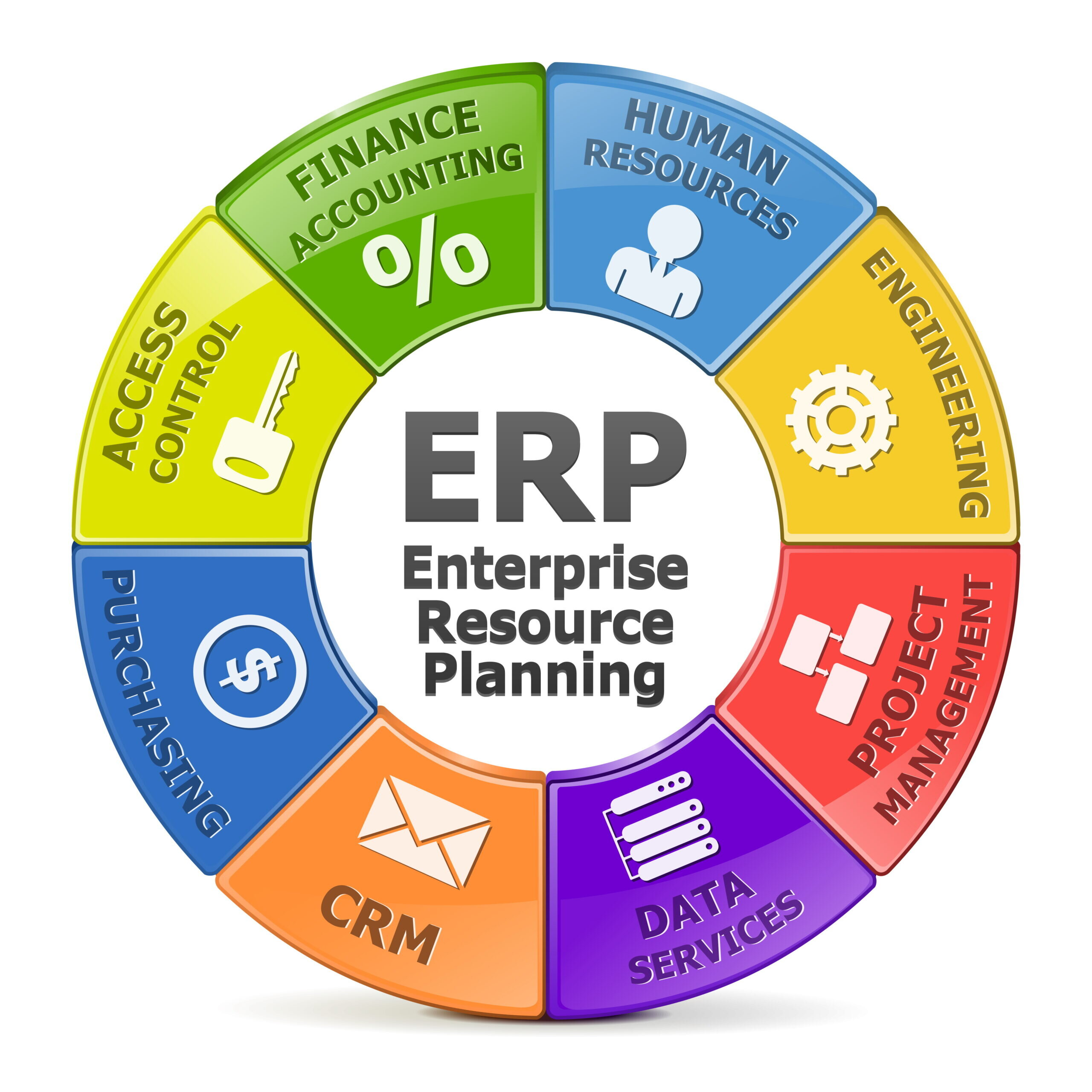
Welcome to this beginner-friendly guide to understanding ERP software and ERP systems! If you’ve ever heard about ERP but weren’t quite sure what it is or how it can benefit your business, you’re in the right place. ERP, which stands for Enterprise Resource Planning, is a type of software that helps organizations manage and integrate important parts of their business. From finances and human resources to supply chain and operations, ERP systems play a crucial role in streamlining processes and increasing efficiency. Let’s dive in and explore the world of ERP together!
How ERP Software Helps Streamline Business Processes
Enterprise Resource Planning (ERP) software is designed to integrate and streamline various business processes within an organization. By centralizing data and automating repetitive tasks, ERP software can help businesses operate more efficiently and effectively. There are several key ways in which ERP software can help streamline business processes.
One way ERP software helps streamline business processes is through improved data management. With an ERP system, all departments within an organization can access the same data in real-time. This eliminates the need for manual data entry and reduces the risk of errors. For example, a sales order entered into the system can automatically trigger notifications to the warehouse for shipment, as well as updates to inventory levels and financial records. This seamless flow of information helps to improve overall business operations and decision-making.
Another way ERP software streamlines business processes is by automating repetitive tasks. ERP systems can automate routine processes such as order processing, invoicing, and inventory management. This not only saves time and reduces the chance of errors, but it also frees up employees to focus on more strategic tasks that can drive business growth. For example, rather than manually entering data into multiple systems, employees can use ERP software to automate data entry, saving time and minimizing the risk of mistakes.
ERP software also helps streamline business processes by providing a unified platform for communication and collaboration. With an ERP system, employees can access the same information from anywhere, at any time. This facilitates better communication and collaboration between departments, enabling teams to work more efficiently towards common goals. For example, sales and marketing teams can use ERP software to access real-time sales data, enabling them to make more informed decisions and coordinate their efforts more effectively.
Furthermore, ERP software helps streamline business processes by providing analytics and reporting capabilities. ERP systems can generate reports on key performance indicators (KPIs) such as sales, inventory levels, and financial performance. This allows managers to monitor business performance in real-time and make data-driven decisions to improve efficiency and profitability. For example, managers can use ERP software to identify trends in sales data and adjust marketing strategies accordingly, leading to increased revenue and improved business outcomes.
In conclusion, ERP software plays a crucial role in streamlining business processes by improving data management, automating repetitive tasks, facilitating communication and collaboration, and providing analytics and reporting capabilities. By investing in ERP software, businesses can optimize their operations, increase productivity, and drive growth in a competitive market.
The Benefits of Implementing an ERP System
Implementing an ERP system can bring a wide range of benefits to an organization. From streamlining processes to improving efficiency, ERP software can revolutionize the way a business operates. Here are some of the key advantages of implementing an ERP system:
1. Improved Efficiency
One of the primary benefits of implementing an ERP system is improved efficiency. By centralizing all of an organization’s data and processes in one system, employees are able to quickly access the information they need to complete their tasks. This eliminates the need for manual data entry and reduces the risk of errors. In addition, ERP systems typically include tools for automating repetitive tasks, which can further increase efficiency and productivity.
2. Enhanced Decision Making
Another major benefit of implementing an ERP system is enhanced decision-making. ERP software provides real-time data and analytics that can help management make informed decisions. With access to up-to-date information on key performance indicators, executives can quickly identify trends, spot opportunities, and address potential challenges. This level of insight enables organizations to make strategic decisions that drive growth and profitability.
3. Streamlined Processes
ERP systems are designed to streamline processes and eliminate redundancy. By integrating various business functions – such as finance, human resources, and supply chain management – into a single system, ERP software can help organizations eliminate silos and improve collaboration. This integration also ensures that data is consistent across departments, reducing the risk of discrepancies and improving overall accuracy.
4. Cost Savings
Implementing an ERP system can lead to significant cost savings for an organization. By automating manual tasks, reducing errors, and improving efficiency, ERP software can help businesses cut down on operational costs. In addition, ERP systems can provide insights into areas where expenses can be reduced or resources reallocated, helping organizations optimize their spending and improve their bottom line.
5. Increased Customer Satisfaction
ERP systems can also help organizations improve customer satisfaction. By providing employees with real-time access to customer information, ERP software enables businesses to quickly respond to customer inquiries, resolve issues, and provide personalized service. This enhanced level of customer service can help organizations build stronger relationships with customers and ultimately drive loyalty and repeat business.
Overall, implementing an ERP system can have a transformative effect on an organization. From improved efficiency and streamlined processes to enhanced decision-making and cost savings, the benefits of ERP software are wide-ranging and substantial. By investing in an ERP system, businesses can position themselves for greater success and competitiveness in today’s fast-paced business environment.
Key Features to Look for in an ERP Software
When choosing an ERP software for your business, it is important to consider the key features that will best suit your needs. Here are some of the most important features to look for in an ERP software:
1. Scalability: A good ERP software should be able to grow with your business. Make sure the software you choose can handle increasing amounts of data and users as your business expands. Look for a solution that allows you to easily add new modules and functionalities as needed.
2. Customization: Every business is unique, so it is important to choose an ERP software that can be customized to meet your specific requirements. Look for a solution that allows you to tailor the system to your business processes, workflows, and reporting needs. This will help ensure that the software fits seamlessly into your organization and supports your business goals.
3. Integration: One of the key benefits of an ERP software is its ability to integrate with other systems and applications. Look for a solution that offers seamless integration with your existing software, such as accounting, CRM, and inventory management systems. This will help streamline your business processes and improve data accuracy by eliminating manual data entry and ensuring data consistency across all systems.
4. Cloud-based: Cloud-based ERP software offers many advantages over traditional on-premise solutions, including lower upfront costs, easier implementation, and greater flexibility. Look for a cloud-based ERP software that offers secure access from anywhere, anytime, and automatic updates to ensure you always have the latest features and security patches.
5. Mobile access: In today’s fast-paced business environment, it is essential to have access to your ERP system on the go. Look for an ERP software that offers mobile access through a dedicated mobile app or a responsive web interface. This will allow you to access real-time data, approve workflows, and stay connected to your business no matter where you are.
6. Reporting and analytics: A good ERP software should offer robust reporting and analytics capabilities to help you make informed business decisions. Look for a solution that provides customizable dashboards, key performance indicators (KPIs), and ad-hoc reporting tools. This will allow you to track key metrics, analyze trends, and identify areas for improvement in your business.
By considering these key features when choosing an ERP software, you can ensure that you select a solution that will meet your business needs now and in the future. Make sure to evaluate your options carefully and choose a software that not only fits your current requirements but also has the flexibility to adapt to your business as it grows and changes.
How to Select the Right ERP Software for Your Business
Choosing the right ERP software for your business is a crucial decision that can have a significant impact on your operations and bottom line. With so many options available in the market, it can be overwhelming to narrow down your choices. Here are some key factors to consider when selecting the right ERP software for your business:
1. Define Your Requirements: Before you start evaluating ERP software options, it’s essential to clearly define your business requirements. Identify the specific needs of your organization, including the modules and functionalities you require. Consider factors such as industry-specific features, scalability, integration capabilities, and ease of use.
2. Set a Budget: Establishing a budget for your ERP software purchase is essential to ensure that you select a solution that aligns with your financial constraints. Consider not only the upfront costs but also ongoing expenses such as maintenance, support, and upgrades. Look for a solution that offers value for money and provides a return on investment over time.
3. Conduct Thorough Research: Take the time to research different ERP software vendors and solutions available in the market. Consider factors such as reputation, customer reviews, industry expertise, and track record. Request demos and trial versions to test the software’s functionality and compatibility with your business processes.
4. Evaluate Customization and Integration: When selecting ERP software for your business, it’s essential to consider its customization and integration capabilities. Look for a solution that can be customized to meet your specific needs and workflows. Ensure that the software can seamlessly integrate with your existing systems and applications to streamline data flow and improve efficiency.
Customization is crucial as it allows you to tailor the software to fit your unique business requirements, ensuring that you get the most out of your investment. On the other hand, integration capabilities are essential to enable seamless communication between different systems and ensure data consistency across your organization.
Consider the level of support and assistance provided by the ERP software vendor in terms of customization and integration. Ensure that they offer reliable customer support, training, and implementation services to help you optimize the software’s performance and achieve your business objectives.
In conclusion, selecting the right ERP software for your business requires careful consideration of your requirements, budget, research, customization, and integration capabilities. By following these key factors and evaluating potential solutions accordingly, you can choose an ERP software that best fits your organization’s needs and contributes to its growth and success.
Best Practices for Successfully Implementing ERP Software
Implementing an ERP software can be a complex and challenging process, but by following some best practices, you can ensure a successful implementation. Here are five key practices to keep in mind:
1. Define Clear Goals and Objectives: Before you begin the implementation process, it is crucial to clearly define your goals and objectives for the ERP software. This will help you stay focused and ensure that everyone involved in the implementation is working towards the same end goal.
2. Invest in Training and Education: One of the most common reasons for ERP implementation failure is a lack of training and education for end-users. Make sure to invest in thorough training sessions for all employees who will be using the software. This will help them understand how to use the software effectively and maximize its benefits.
3. Choose the Right ERP Software for Your Business: Before selecting an ERP software, make sure to thoroughly research and evaluate different options to find the one that best fits your business needs. Consider factors such as scalability, customization options, and industry-specific features when making your decision.
4. Create a Strong Implementation Team: The success of your ERP implementation relies heavily on the team leading the process. Make sure to assemble a strong and dedicated team with members from different departments who have the necessary expertise and experience to guide the implementation process effectively.
5. Communicate and Collaborate Throughout the Process: Effective communication and collaboration are key to a successful ERP implementation. Make sure to keep all stakeholders informed throughout the process and encourage open communication between team members. Regular meetings and updates can help ensure that everyone is on the same page and working towards the same goals.
By following these best practices, you can increase the chances of a successful ERP implementation for your business. Remember that ERP implementation is a complex process that requires careful planning, collaboration, and dedication from all parties involved. With the right approach and mindset, you can maximize the benefits of your ERP software and drive growth and efficiency within your organization.