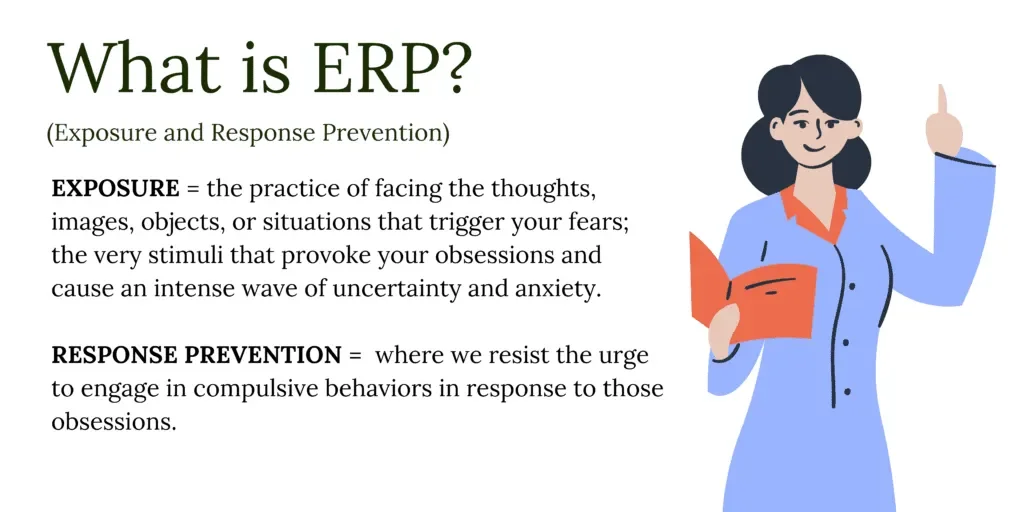
Welcome to our guide on the benefits of ERP treatment! If you or someone you know is struggling with anxiety, OCD, or other mental health issues, ERP therapy could be a game-changer. ERP, which stands for Exposure and Response Prevention, is a type of cognitive-behavioral therapy that has been shown to be highly effective in helping individuals overcome their fears and anxieties. In this article, we will explore what ERP treatment entails, its benefits, and how it can make a positive impact on your mental health.
Benefits of ERP Treatment
ERP (Exposure and Response Prevention) treatment is a type of cognitive behavioral therapy that is commonly used to treat individuals with anxiety disorders, obsessive-compulsive disorder (OCD), and other related conditions. There are several benefits to undergoing ERP treatment, which can have a lasting impact on an individual’s mental health and overall well-being.
One of the primary benefits of ERP treatment is that it is highly effective in reducing the symptoms of anxiety and OCD. The core principle of ERP therapy is to expose individuals to their fears or triggers in a controlled setting and prevent them from engaging in their typical response or ritual. Over time, this exposure helps individuals learn to cope with their fears and anxieties, leading to a significant reduction in symptoms.
Furthermore, ERP treatment is a relatively short-term intervention compared to other forms of therapy. While the length of treatment may vary depending on the individual and the severity of their condition, many people experience significant improvements in their symptoms within a matter of weeks or months. This can be particularly appealing for individuals who are looking for a more time-limited approach to managing their anxiety or OCD.
Another benefit of ERP treatment is that it can help individuals regain control over their lives. Anxiety disorders and OCD can be incredibly disruptive and debilitating, leading individuals to avoid certain situations or engage in rituals to manage their anxiety. Through ERP therapy, individuals can learn new coping strategies and techniques to confront their fears and take back control of their lives.
ERP treatment also has long-lasting effects, with many individuals experiencing continued symptom relief even after completing therapy. This is because ERP therapy targets the underlying mechanisms that drive anxiety and OCD, rather than simply addressing the symptoms. By learning new ways of responding to their fears and triggers, individuals can maintain their progress long after therapy has ended.
Lastly, ERP treatment is typically well-tolerated by individuals, making it a feasible option for many people seeking treatment for anxiety disorders or OCD. While therapy can be challenging at times, therapists work closely with individuals to ensure that they feel supported throughout the treatment process. Additionally, the skills learned in ERP therapy can be applied to a variety of situations, helping individuals cope with their anxiety or OCD in their daily lives.
In conclusion, ERP treatment offers numerous benefits for individuals struggling with anxiety disorders, OCD, and related conditions. From reducing symptoms and regaining control over one’s life to providing long-lasting relief, ERP therapy can be a highly effective and transformative treatment option for those in need.
ERP Treatment Process
When it comes to ERP treatment, the process can vary depending on the individual’s needs and the severity of their symptoms. However, there are some general steps that are typically involved in ERP treatment.
The first step in the ERP treatment process is typically an assessment conducted by a mental health professional. During this assessment, the individual will be asked about their symptoms, triggers, and any past experiences with OCD. The mental health professional may also use standardized questionnaires to help determine the severity of the individual’s symptoms.
Once the assessment is complete, the mental health professional will work with the individual to develop a treatment plan. This plan will typically involve a combination of therapy and medication. Cognitive-behavioral therapy (CBT) is often used in ERP treatment, as it has been shown to be effective in helping individuals manage their OCD symptoms.
ERP therapy involves exposing the individual to their fears or triggers in a controlled manner, while helping them learn healthier ways to cope with their anxiety. This exposure therapy can be done in individual or group sessions, and the goal is to help the individual gradually learn to tolerate their anxiety without engaging in compulsive behaviors.
In addition to therapy, medication may also be prescribed to help manage the individual’s symptoms. Selective serotonin reuptake inhibitors (SSRIs) are commonly used in the treatment of OCD, as they can help reduce obsessive thoughts and compulsive behaviors.
Throughout the ERP treatment process, the mental health professional will work closely with the individual to monitor their progress and make any necessary adjustments to the treatment plan. It is important for the individual to actively participate in their treatment, as ERP therapy can be challenging and may provoke anxiety in the short term.
Over time, with continued therapy and medication management, many individuals with OCD can learn to manage their symptoms and live more fulfilling lives. It is important for individuals to be patient with themselves and to work closely with their mental health professional to develop coping strategies that work for them.
Common ERP Techniques
ERP (Exposure and Response Prevention) is a type of cognitive-behavioral therapy that is commonly used to treat Obsessive-Compulsive Disorder (OCD). ERP techniques are designed to help individuals confront their fears and anxieties in a controlled and gradual manner, allowing them to learn new ways of responding to these triggers.
One common ERP technique is called “exposure therapy,” where individuals are gradually exposed to the things or situations that trigger their OCD symptoms. For example, if someone has a fear of contamination, they may be asked to touch a doorknob without washing their hands immediately afterward. This exposure is done repeatedly until the individual’s anxiety decreases, helping them to learn that their fears are unfounded.
Another common ERP technique is “response prevention,” which involves helping individuals resist the urge to engage in their compulsive behaviors. For instance, if someone has a compulsion to check the stove multiple times before leaving the house, they may be asked to resist this urge and leave after checking it only once. By preventing the individual from engaging in their usual rituals, they can learn that they are able to tolerate the anxiety that comes with not performing these behaviors.
One additional ERP technique that is frequently utilized is “imaginal exposure,” where individuals are asked to vividly imagine their fears and anxieties without actually experiencing them. This technique can be particularly useful for individuals whose OCD symptoms revolve around intrusive thoughts or mental rituals. By confronting these fears in their minds, individuals can gradually learn to reduce the power these thoughts hold over them.
Choosing the Right ERP Provider
When it comes to choosing the right ERP provider for your business, there are several factors to consider. One of the most important things to keep in mind is the size and complexity of your organization. Different ERP providers cater to different types of businesses, so it’s essential to find one that fits your specific needs.
Another key consideration is the scalability of the ERP system. You want to choose a provider that can grow with your business and adapt to any changes or expansion in the future. Make sure the ERP software is customizable and can be tailored to your unique requirements.
It’s also crucial to look at the track record and reputation of the ERP provider. Research the company’s history, customer reviews, and success stories to get a sense of their reliability and performance. You want to work with a provider that has a proven track record of delivering quality ERP solutions and excellent customer service.
Furthermore, consider the level of support and training offered by the ERP provider. Implementing an ERP system can be a complex process, so you want to make sure you have the necessary support and resources to ensure a smooth transition. Look for a provider that offers comprehensive training programs and ongoing support to help you maximize the benefits of your ERP system.
Additionally, it’s essential to assess the cost of the ERP software and services. Different providers have various pricing models, so make sure you understand the total cost of ownership, including implementation, training, and ongoing maintenance fees. Evaluate your budget and choose a provider that offers a competitive price without sacrificing quality.
Lastly, consider the compatibility of the ERP system with your existing technology infrastructure. You want to choose a provider that can seamlessly integrate with your current software and hardware systems to avoid any disruptions or compatibility issues. Make sure the ERP software is compatible with your company’s IT environment to ensure a smooth implementation process.
In conclusion, choosing the right ERP provider is a crucial decision that can significantly impact the success of your business. Consider factors such as size and complexity, scalability, track record, support and training, cost, and compatibility when selecting an ERP provider. By conducting thorough research and due diligence, you can find a provider that meets your specific needs and helps you streamline your business processes effectively.
Maintaining Long-Term Success with ERP Treatment
ERP (Exposure and Response Prevention) treatment is a highly effective therapy for individuals suffering from anxiety disorders, OCD, and other related conditions. It involves exposing patients to their fears or triggers while teaching them healthy coping mechanisms to manage their anxiety and prevent engaging in harmful behaviors or rituals. While ERP treatment can be extremely beneficial in the short term, it is essential for patients to maintain their progress and continue practicing the skills they have learned in therapy to ensure long-term success.
One of the most important aspects of maintaining long-term success with ERP treatment is consistency. Patients must continue to practice the skills and techniques they have learned in therapy on a regular basis to prevent a relapse of symptoms. This may involve continuing to expose themselves to their fears or triggers in a controlled environment, as well as using the coping strategies they have learned to manage their anxiety in everyday situations.
In addition to consistency, ongoing support is also crucial for maintaining long-term success with ERP treatment. This may involve regular check-ins with a therapist or support group to discuss progress, setbacks, and any challenges that may arise. Having a strong support system in place can help patients stay motivated and focused on their treatment goals, even when faced with difficult or triggering situations.
Setting realistic goals and expectations is another key factor in maintaining long-term success with ERP treatment. Patients should be encouraged to celebrate small victories and milestones along the way, rather than focusing solely on long-term outcomes. By setting achievable goals and acknowledging progress, patients can stay motivated and committed to continuing their treatment.
It is also important for patients to be flexible and willing to adapt their treatment plan as needed. While ERP treatment is highly effective, it may not work for everyone, or patients may need to try different techniques or approaches to find what works best for them. Being open to new ideas and strategies can help patients navigate any challenges or setbacks they may encounter on their journey to long-term success.
Finally, self-care and self-compassion are essential for maintaining long-term success with ERP treatment. Patients should prioritize their mental and emotional well-being, and be kind to themselves as they work towards recovery. This may involve practicing mindfulness, engaging in activities that bring joy and relaxation, and seeking support when needed. By taking care of themselves and practicing self-compassion, patients can build resilience and continue to make progress in their treatment journey.