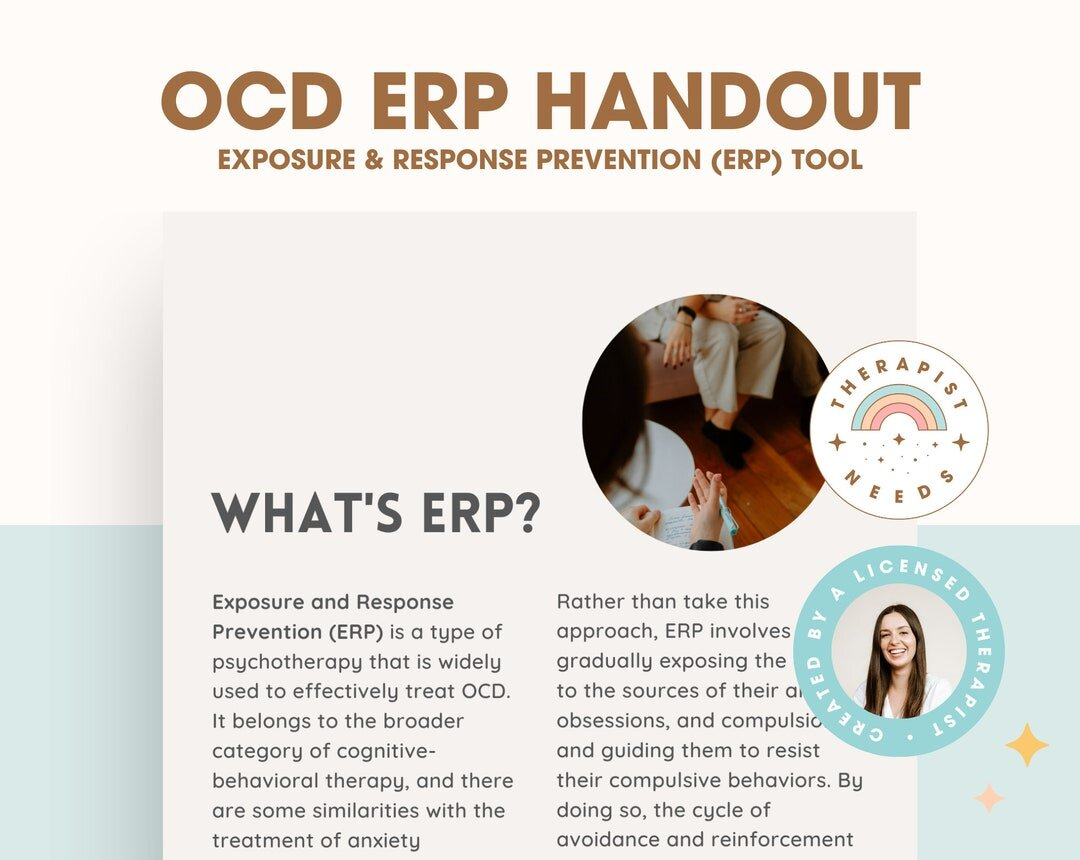
Welcome to an exploration of OCD ERP therapy and how it can benefit those struggling with Obsessive-Compulsive Disorder. ERP, which stands for Exposure and Response Prevention, is a type of cognitive-behavioral therapy that can be incredibly helpful in managing the symptoms of OCD. By gradually exposing individuals to their fears and helping them learn healthier ways to respond, ERP therapy has shown to be effective in reducing OCD-related anxiety and compulsions. Let’s delve into the details of how this therapy works and how it can make a positive impact on the lives of those dealing with OCD.
Understanding OCD and ERP therapy
Obsessive-Compulsive Disorder (OCD) is a mental health condition that affects people of all ages. It is characterized by intrusive thoughts, images, or impulses (obsessions) that lead to repetitive behaviors or mental acts (compulsions). People with OCD often feel compelled to perform these rituals in order to temporarily alleviate their anxiety or prevent a feared outcome.
These obsessions and compulsions can consume a significant amount of time and interfere with daily activities, relationships, and overall quality of life. OCD can be a debilitating condition, causing distress and impairment in functioning. It is important to note that individuals with OCD are aware that their obsessions and compulsions are irrational, but they feel powerless to control them.
Exposure and Response Prevention (ERP) therapy is considered the gold standard treatment for OCD. ERP is a type of cognitive-behavioral therapy that involves gradually confronting feared situations or thoughts (exposures) without engaging in compulsive behaviors (responses). This process allows individuals to develop coping strategies and learn that their feared outcomes are unlikely to occur, ultimately reducing the power of their obsessions and compulsions.
ERP therapy is highly effective in treating OCD, with research showing significant improvements in symptoms and overall functioning. The goal of ERP is not to eliminate obsessions entirely, but rather to help individuals manage their symptoms and lead fulfilling lives. It is a skills-based approach that empowers individuals to confront their fears and resist the urge to engage in compulsions.
One key aspect of ERP therapy is creating a hierarchy of feared situations or thoughts that gradually expose individuals to their triggers. Starting with less anxiety-provoking exposures and moving towards more challenging ones helps individuals build confidence and develop mastery over their fears. Over time, the intensity of obsessions and compulsions decreases, allowing individuals to regain control over their lives.
Additionally, ERP therapy emphasizes the importance of practicing mindfulness and acceptance. By learning to observe their thoughts and feelings without judgment, individuals can develop a non-reactive stance towards their obsessions and compulsions. This mindfulness practice helps individuals to distance themselves from their symptoms and cultivate a sense of detachment.
Overall, understanding OCD and ERP therapy is crucial in effectively managing the symptoms of this challenging condition. By confronting fears, learning coping strategies, and practicing mindfulness, individuals with OCD can experience significant relief and regain control over their lives. ERP therapy offers hope and empowerment to those struggling with OCD, providing a path towards recovery and improved well-being.
How ERP Therapy Works for OCD Treatment
Exposure and Response Prevention (ERP) therapy is a type of cognitive-behavioral therapy that is considered to be the most effective treatment for Obsessive-Compulsive Disorder (OCD). The main goal of ERP therapy is to help individuals confront their fears and anxieties in a controlled and gradual manner, without engaging in their typical compulsive behaviors.
ERP therapy works by exposing individuals to the situations or objects that trigger their obsessions, while teaching them how to resist the urge to perform their compulsions. This process helps individuals learn how to tolerate the anxiety and discomfort that comes with confronting their fears, and eventually helps them realize that their feared outcomes are unlikely to occur.
During ERP therapy, individuals work with a therapist to create a hierarchy of anxiety-inducing situations, starting with the least anxiety-provoking and gradually progressing to more challenging situations. For example, if someone has a fear of contamination, they may start by touching a doorknob and resisting the urge to wash their hands immediately. As they become more comfortable with this step, they may progress to touching other objects and eventually interacting with potentially contaminated surfaces.
Throughout the treatment process, individuals are encouraged to confront their fears repeatedly, with the therapist providing support and guidance along the way. This repetition helps individuals learn to tolerate their anxiety and resist their compulsions, ultimately leading to a reduction in OCD symptoms.
Another key aspect of ERP therapy is the prevention of rituals or compulsions that individuals typically engage in to reduce their anxiety. By resisting the urge to perform these rituals, individuals learn that they can tolerate their anxiety without needing to rely on their compulsions for relief.
Over time, individuals who undergo ERP therapy typically experience a significant reduction in their OCD symptoms, as well as an improvement in their overall quality of life. By learning to confront their fears and resist their compulsions, individuals are able to regain a sense of control over their thoughts and behaviors, and begin to live more fully in spite of their OCD.
Benefits of undergoing ERP therapy for OCD
ERP therapy, or Exposure and Response Prevention therapy, is considered one of the most effective treatments for Obsessive-Compulsive Disorder (OCD). The therapy involves exposing individuals to their fears in a controlled environment and guiding them to resist performing compulsive behaviors. There are several benefits to undergoing ERP therapy for OCD, including:
1. Increased control over OCD symptoms: ERP therapy helps individuals confront their fears and gradually reduce the power that OCD has over their lives. By facing their fears and learning to resist the urge to engage in compulsive behaviors, individuals gain a sense of control over their symptoms. This can lead to a significant reduction in the frequency and intensity of OCD symptoms, allowing individuals to live a more fulfilling and productive life.
2. Long-lasting results: Research has shown that ERP therapy produces long-lasting results for individuals with OCD. Unlike some other forms of treatment that may only provide temporary relief, ERP therapy addresses the root cause of OCD symptoms by changing the way individuals respond to their obsessions and compulsions. By learning new coping mechanisms and behavioral strategies, individuals can maintain the progress they have made in therapy and continue to manage their symptoms effectively in the long term.
3. Improved quality of life: One of the most significant benefits of undergoing ERP therapy for OCD is the improvement in overall quality of life. OCD symptoms can be debilitating and can greatly impact an individual’s ability to work, socialize, and engage in everyday activities. Through ERP therapy, individuals can learn to manage their symptoms more effectively and regain a sense of normalcy in their lives. They can experience reduced anxiety, enhanced self-esteem, and improved relationships with others. By overcoming their fears and challenges, individuals can lead a more fulfilling and meaningful life.
4. Personal growth and empowerment: ERP therapy not only helps individuals manage their OCD symptoms but also promotes personal growth and empowerment. By confronting their fears and working through difficult situations, individuals build resilience, self-confidence, and self-awareness. They learn to trust in their ability to face challenges and overcome obstacles, leading to a greater sense of empowerment and control over their lives. This personal growth can have a positive impact on various aspects of their lives, including their relationships, career, and overall well-being.
Overall, undergoing ERP therapy for OCD can have a profound and lasting impact on individuals’ lives. By facing their fears, learning new coping strategies, and gaining control over their symptoms, individuals can experience improved quality of life, personal growth, and empowerment. ERP therapy offers a path to recovery and a renewed sense of hope for individuals struggling with OCD.
Challenges in implementing ERP therapy for OCD
Implementing ERP therapy for OCD can be a challenging process for both the therapist and the patient. One of the main challenges is the initial resistance from the patient towards exposing themselves to their fears. This resistance can stem from a variety of factors such as fear of the unknown, fear of losing control, or fear of facing their worst fears head-on. Overcoming this initial resistance requires patience and persistence on the part of the therapist.
Another challenge in implementing ERP therapy for OCD is the difficulty in identifying and exposing the specific triggers that cause the patient’s obsessive-compulsive behaviors. These triggers can be complex and multifaceted, making it challenging to pinpoint them accurately. It requires a thorough assessment and understanding of the patient’s thoughts, emotions, and behaviors to identify the triggers effectively.
Furthermore, implementing ERP therapy for OCD can be challenging due to the high level of anxiety and discomfort that patients experience during exposure exercises. The goal of ERP therapy is to gradually expose the patient to their fears in a controlled setting to help them learn to tolerate the anxiety and resist the compulsive behaviors. However, this process can be emotionally draining and overwhelming for the patient, making it difficult for them to stick with the treatment.
Lastly, a significant challenge in implementing ERP therapy for OCD is the limited availability of trained therapists who specialize in this type of treatment. ERP therapy requires specific training and expertise to be delivered effectively, and not all mental health professionals have the necessary skills and knowledge. This can lead to long wait times for patients seeking ERP therapy and limited access to quality care.
In conclusion, while ERP therapy is an effective treatment for OCD, there are several challenges in implementing it successfully. Overcoming patient resistance, identifying specific triggers, managing high levels of anxiety, and addressing the shortage of trained therapists are all hurdles that need to be overcome to ensure that patients receive the best possible care for their OCD symptoms.
Success stories of individuals who have undergone ERP therapy for OCD
ERP therapy, or Exposure and Response Prevention therapy, has been shown to be highly effective in treating OCD. Many individuals who have undergone ERP therapy have seen significant improvements in their symptoms and quality of life. Here are some inspiring success stories of individuals who have bravely faced their fears and worked towards overcoming their OCD through ERP therapy.
1. Sarah: Sarah had been struggling with severe contamination OCD for years. She was constantly washing her hands and avoiding touching anything she perceived as dirty. This behavior was taking a toll on her mental health and relationships. After starting ERP therapy, Sarah gradually exposed herself to situations that triggered her fears of contamination, such as touching a doorknob or eating at a restaurant without washing her hands. Through the guidance of her therapist, Sarah learned to resist the urge to engage in compulsive behaviors. Over time, Sarah’s anxiety decreased, and she was able to live a more fulfilling life without the constant fear of contamination.
2. Michael: Michael had intrusive thoughts of harming his loved ones, which caused him immense guilt and anxiety. These thoughts made it difficult for him to be around his family and friends, as he feared he might act on his intrusive thoughts. Through ERP therapy, Michael gradually confronted his fears by exposing himself to scenarios that triggered his intrusive thoughts. With the support of his therapist, Michael learned to accept these thoughts without reacting compulsively. Over time, Michael’s intrusive thoughts decreased in intensity, and he was able to rebuild his relationships with his loved ones.
3. Emily: Emily had a fear of germs and contamination that controlled her daily life. She would spend hours cleaning and sanitizing her home, which left her exhausted and isolated. Through ERP therapy, Emily learned to tolerate the uncertainty of not engaging in compulsive cleaning behaviors. She gradually exposed herself to situations that challenged her fear of germs, such as touching objects in public places or not washing her hands after using the bathroom. With practice and support from her therapist, Emily was able to break free from the cycle of compulsive cleaning and live a more balanced life.
4. Jason: Jason struggled with checking OCD, where he felt the constant need to check the locks on his doors and windows multiple times before leaving the house. This behavior caused him to be late for work and lose sleep due to his repetitive checking rituals. Through ERP therapy, Jason confronted his fear of leaving his home without checking the locks. He gradually reduced the number of times he checked the locks and learned to tolerate the discomfort of uncertainty. With determination and patience, Jason was able to overcome his checking rituals and regain control over his daily routine.
5. Samantha: Samantha had OCD related to symmetry and order, where she felt the need to arrange objects in a specific way and follow strict routines to prevent bad things from happening. This behavior consumed hours of her day and caused her immense distress when she couldn’t adhere to her rituals. With the help of ERP therapy, Samantha slowly exposed herself to situations that challenged her need for symmetry and order. She practiced delaying her rituals and tolerating the discomfort of not following her routines precisely. Over time, Samantha noticed a decrease in her anxiety and was able to let go of her rigid rules around symmetry and order. Through ERP therapy, Samantha regained a sense of freedom and flexibility in her daily life.