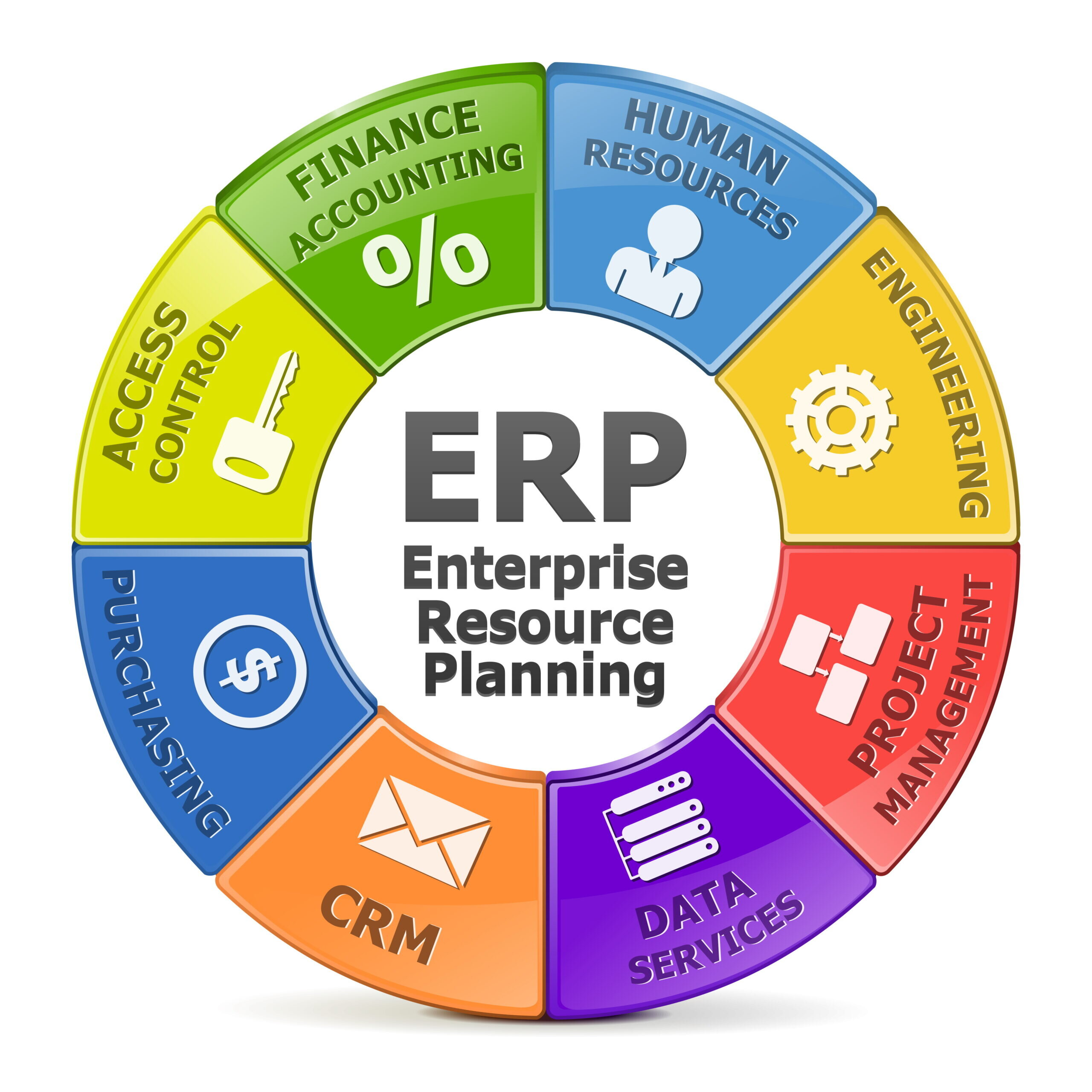
Welcome, curious reader! Have you ever wondered about Enterprise Resource Planning or ERP? Don’t worry if you’re unsure about what it is – many people are in the same boat. ERP is a complex and important system that plays a huge role in how businesses operate. In this article, we’ll break down what ERP is all about and why it’s so crucial for running a successful business.
Defining Enterprise Resource Planning (ERP)
Enterprise Resource Planning, commonly referred to as ERP, is a type of software used by organizations to efficiently manage and integrate core business processes. These processes can include things like finance, HR, supply chain management, procurement, inventory, and more. ERP systems provide a centralized platform that allows different departments within a company to access and share information in real-time, enabling better decision-making and streamlined operations.
One of the key features of ERP is its ability to streamline processes by eliminating the need for multiple standalone systems that do not communicate effectively with each other. For example, instead of having separate accounting, inventory, and sales systems that require manual data entry and reconciliation, an ERP system can automate these processes and ensure data consistency across the organization. This not only saves time but also reduces the likelihood of errors that can occur when using disparate systems.
ERP systems also provide valuable insights and analytics that can help organizations make more informed decisions. By consolidating data from different departments and generating reports and dashboards, ERP software can help management identify trends, track performance metrics, and anticipate potential challenges. This data-driven approach can lead to improved efficiency, cost savings, and strategic planning.
Furthermore, ERP systems can adapt and scale to meet the changing needs of an organization. As a company grows or diversifies its operations, an ERP system can easily accommodate new business processes, users, and locations. This scalability is essential for organizations that want to remain competitive and agile in today’s fast-paced business environment.
In addition to internal benefits, ERP systems can also improve relationships with external stakeholders such as suppliers, customers, and partners. By providing visibility into inventory levels, order status, and production schedules, ERP software can help organizations communicate more effectively with their supply chain partners and ensure timely delivery of goods and services.
Overall, Enterprise Resource Planning systems play a crucial role in modern businesses by providing a single source of truth for all core business processes. By integrating different functions and departments into a cohesive system, ERP software can help organizations improve efficiency, enhance decision-making, and drive growth. Whether a company is a small startup or a multinational corporation, implementing an ERP system can lead to significant benefits and competitive advantages in today’s dynamic marketplace.
Key Components of an ERP System
Enterprise Resource Planning (ERP) systems are an integral part of any modern business organization. They help businesses streamline their operations, improve efficiency, and make informed decisions based on real-time data. An ERP system consists of several key components that work together to ensure the smooth functioning of a business. Let’s delve into the main components that make up an ERP system:
1. **Integrated Applications**: One of the core components of an ERP system is its ability to integrate various business applications into a single platform. This integration allows different departments within an organization to access and share data seamlessly, eliminating data silos and promoting collaboration. For example, a sales team can have real-time access to inventory levels, pricing information, and customer data, enabling them to provide accurate quotes and close deals faster.
2. **Central Database**: The central database is the backbone of an ERP system, storing all the data related to various business processes. This centralized approach ensures data consistency and accuracy across the organization, as all departments work off the same information. From financial transactions to inventory levels to customer interactions, the central database serves as a single source of truth for the entire organization.
3. **Business Intelligence Tools**: In addition to capturing and storing data, ERP systems also come equipped with business intelligence tools that help organizations analyze and interpret data efficiently. These tools provide valuable insights into key performance indicators, trends, and forecasts, enabling businesses to make data-driven decisions. Through dashboards, reports, and data visualization tools, users can easily monitor their business performance and identify areas for improvement.
4. **Automation**: Automation is another crucial component of an ERP system that helps businesses streamline their processes and reduce manual work. By automating routine tasks such as data entry, invoice processing, and inventory management, organizations can save time and resources, while also minimizing the risk of errors. Automation not only increases operational efficiency but also frees up employees to focus on more strategic tasks that drive business growth.
5. **Security Features**: Given the sensitive nature of the data handled by ERP systems, security is a top priority for organizations. ERP systems are equipped with robust security features such as user authentication, data encryption, and role-based access control to safeguard against cyber threats and unauthorized access. Regular security updates and compliance with industry standards ensure that the system remains protected against evolving security risks.
In conclusion, ERP systems are complex yet essential tools for modern businesses looking to optimize their operations and drive growth. By understanding the key components that make up an ERP system, organizations can better leverage these systems to streamline processes, improve decision-making, and stay competitive in today’s fast-paced business environment.
Benefits of Implementing an ERP Solution
Implementing an ERP (Enterprise Resource Planning) solution can bring numerous benefits to a business, regardless of its size or industry. From streamlining processes to improving efficiency, ERP systems have become a vital tool for modern organizations.
One of the key benefits of implementing an ERP solution is increased efficiency. By centralizing data and processes, an ERP system eliminates the need for multiple software systems and manual data entry, reducing the risk of errors and saving time. This streamlined approach allows employees to access real-time information quickly and easily, leading to faster decision-making and improved productivity.
Furthermore, implementing an ERP solution can help improve communication and collaboration within an organization. With all departments using the same system and sharing a single source of truth, employees can work together more effectively, leading to a more cohesive and integrated approach to business operations.
Another significant advantage of an ERP system is improved data accuracy and reliability. By consolidating data from various departments and functions into a single database, ERP solutions help eliminate data duplication and ensure data integrity. This not only reduces the risk of errors but also provides a more accurate and up-to-date view of the business, allowing for better forecasting and decision-making.
Moreover, implementing an ERP solution can help businesses stay competitive in today’s fast-paced market. With the ability to automate processes, streamline operations, and improve efficiency, organizations can respond more quickly to changing market conditions and customer demands. This agility can give businesses a competitive edge and help them adapt to new challenges and opportunities.
Additionally, ERP systems provide valuable insights that can help businesses make informed decisions and drive growth. By analyzing data from various departments and functions, organizations can identify trends, opportunities, and areas for improvement. This data-driven approach can lead to smarter business strategies, improved performance, and increased profitability.
In conclusion, the benefits of implementing an ERP solution are numerous and far-reaching. From increased efficiency and improved communication to enhanced data accuracy and competitive advantage, ERP systems offer a wide range of advantages for businesses looking to streamline operations and drive growth. By investing in an ERP solution, organizations can position themselves for success in today’s competitive business landscape.
Common Challenges with ERP Implementation
Implementing an ERP system can be a complex and challenging process for any organization. While the benefits of ERP are vast, there are several common challenges that can arise during implementation. Below are some of the most common challenges faced by companies when implementing an ERP system:
1. Cost Overruns: One of the biggest challenges with ERP implementation is the risk of exceeding the budget. ERP projects can be costly, and unexpected expenses can quickly add up. Companies must carefully plan and budget for all aspects of the implementation to avoid cost overruns.
2. Time Delays: ERP implementations can also be time-consuming, with many projects taking longer than initially anticipated. Delays can occur due to a variety of reasons, such as data migration issues, customization requirements, or unexpected technical challenges. It is crucial for companies to establish realistic timelines and regularly monitor progress to avoid delays.
3. Resistance to Change: Implementing an ERP system often involves significant changes to processes, workflows, and job roles within an organization. Employees may resist these changes due to fear of the unknown, lack of understanding, or concerns about job security. Effective change management strategies, communication, and training are essential to help employees adapt to the new system and processes.
4. Data Quality Issues: Data migration and integration are critical components of ERP implementation. Poor data quality, inaccurate data, or data inconsistencies can significantly impact the effectiveness of the ERP system. Companies must invest time and resources in data cleansing, validation, and mapping to ensure data accuracy and integrity in the new system.
5. Lack of User Adoption: One of the most common challenges with ERP implementation is the lack of user adoption. Employees may struggle to use the new system effectively, leading to underutilization of the ERP system and a failure to realize the expected benefits. To address this challenge, companies must prioritize user training, provide ongoing support, and actively solicit feedback from users to understand their needs and concerns.
Overall, ERP implementation can be a complex and challenging process, but with careful planning, effective communication, and a commitment to addressing common challenges, companies can successfully implement an ERP system and reap the benefits of improved efficiency, visibility, and decision-making.